

Moving to Melbourne can feel a bit like being added to a group chat where everyone already knows each other.
You’ll get to know the rhythm eventually, but it can be a lot to take in at first. Between the coffee culture, unpredictable weather and an endless list of things to do/see, it’s a city that keeps you on your toes in the best way possible.
After speaking with two international students, Kathleen from the UK, and Jayesh from India, here’s what they wish they’d known before making the move.
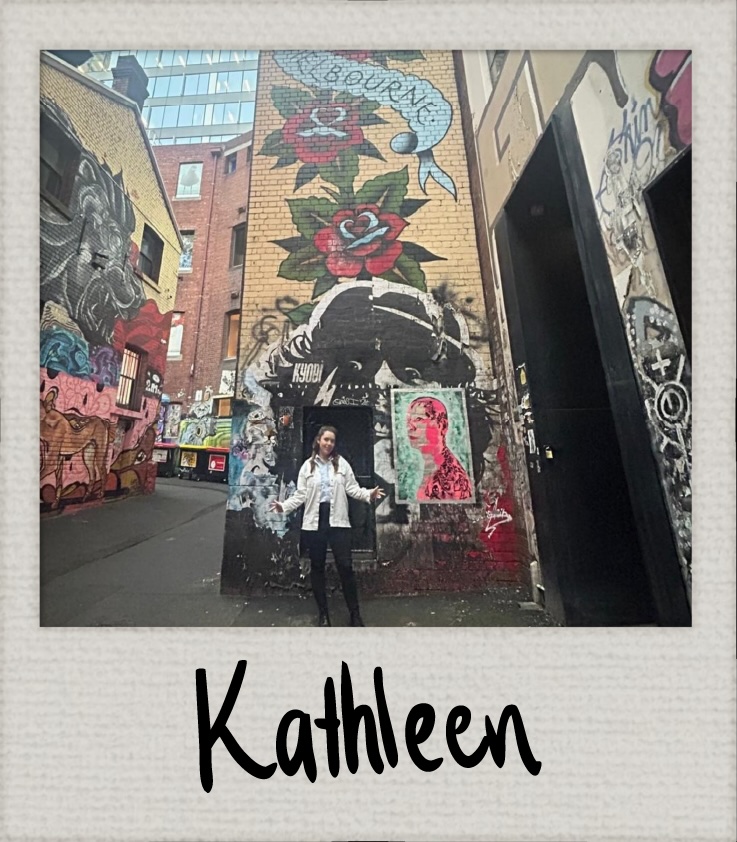
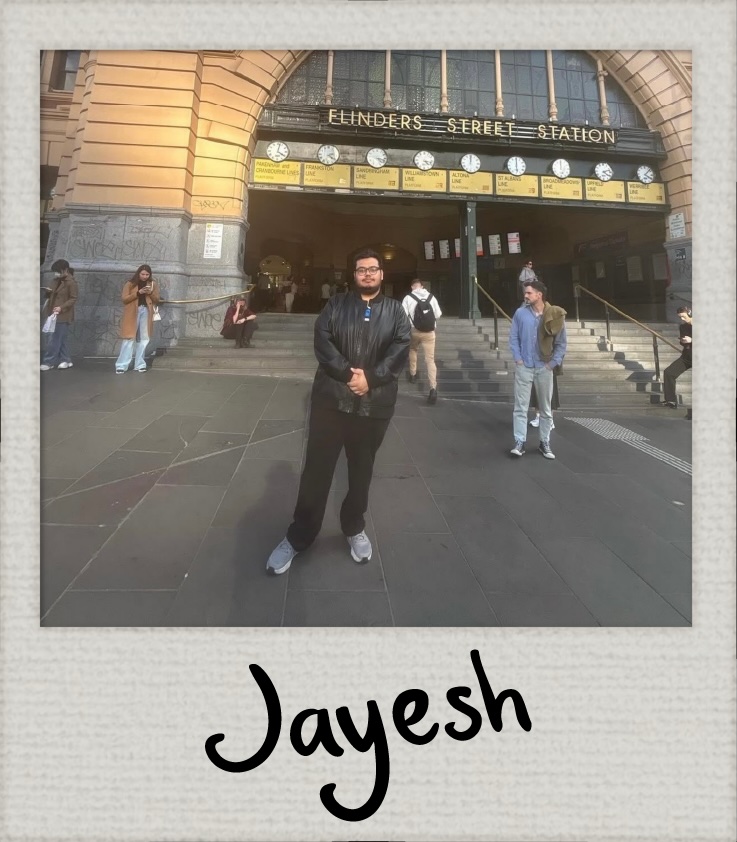
Frantically checking your weather app will become one of your main pastimes
The phrase ‘four seasons in one day’ describes Melbourne's weather perfectly. It really can go from torrential rain to bright sunshine in the span of minutes.
“What truly caught me off guard was Melbourne’s famously unpredictable weather. It really does feel like you can experience all four seasons in a single day,” Kathleen says.
Jayesh had the same experience. “One day it’s sunny and beautiful, the next it’s cold and raining, sometimes all in the same day.”
Melbourne locals will tell you every time that the key to surviving is always always wearing layers. We don’t care if it looks like a beautiful summer’s day outside, pack a cardigan or spray jacket in your backpack and thank us later.
There’s always something to do (and you can’t do them all)
Melbourne doesn’t really do ‘quiet weekends’. From live music and art exhibitions to major sporting events, the city thrives on activity.
“There’s always something happening, from live music and art exhibitions to major sporting events,” Kathleen says.
For Jayesh, it’s the city’s energy that stands out. “It was really the vibe of the city that got me. It’s that kind of city where you’re never bored, and I loved that about it from day one.”
With that many things on, it’s impossible to get to everything, so we recommend marking in your calendar any events you’d like to check out, and then seeing what you can fit in around study and work schedules.
The cost of living will humble you
There’s no way around it; Melbourne, even compared to other major cities, can be very expensive. Rent, food, and even your daily coffee habit can add up quickly (and the coffee in Melbourne is GOOD).
“The cost of living, especially rent and eating out, is quite high, so I would have planned my budget more carefully,” Kathleen says, when asked about what she wished she’d known more about prior to moving.
There are plenty of ways you can reduce your cost of living – living in shared accommodation, reducing how much you eat out, and taking public transport are all great ways to cut costs. Even making your morning coffee at home will save you a few dollars a day (this one’s optional, though… Did we mention how good Melbourne coffee is?).
Finding a job takes time (and that’s normal)
One of the biggest misconceptions is that you’ll land a job immediately. In reality, it often takes time, patience and a lot of effort.
Jayesh says that the key is not to panic. Using that time to settle in, explore the city, and start building connections are all great ways to start building your new life in Melbourne, and you might stumble upon work as you do so.
“Melbourne is full of incredibly interesting people from all walks of life, and some of the best advice and opportunities I came across came simply from having genuine conversations,” he adds.
Networking isn’t optional
If there’s one thing both Kathleen and Jayesh strongly agree on, it’s that networking matters. A lot.
“Building connections early, both socially and professionally, really helps you settle in faster and creates more opportunities,” Kathleen says.
Jayesh agrees, saying, “Networking is everything here. A lot of opportunities come through referrals and word of mouth, so putting yourself out there and meeting people is just as important as your qualifications.”
In other words, talk to people whenever you can, even when it feels awkward.
Homesickness might hit harder than you’re expecting
No matter how exciting the move is, being away from your family can be tough, especially in the beginning.
“The first few months were tough. You’re homesick, you miss the people you grew up around, and you’re starting completely from scratch in a new environment. Making new friends takes time, and until you find your people, it can feel quite lonely,” says Jayesh.
Kathleen encountered similar feelings of homesickness. “One of the biggest challenges initially was being away from family and adjusting to life on the other side of the world. However, over time, I’ve built a strong network of friends and a routine here, which has made Melbourne feel like home.”
Give yourself time to build a new routine and find your people, and don’t feel bad if you find yourself wanting to call home more than you thought.
Where you live can shape your entire experience
Accommodation isn’t just about having a place to sleep. It’s about having somewhere to call your own; somewhere that you can come home to after a long day of uni or work and immediately start to unwind.
“I’d strongly recommend student accommodation, especially when you first arrive,” Jayesh says. “I’ve been at Campus Melbourne for the past three years, and honestly, it’s been one of the best decisions I've made. I’ve never had a moment where I felt like I had no one to talk to.”
Staying in student accommodation, like Campus Melbourne, also has other benefits. For example, there are regular events and workshops on topics like job hunting, building a resume, setting up a LinkedIn account, cooking classes, and student orientation.
“Having a support system around you early on makes the whole transition so much smoother,” says Jayesh.
Melbourne is incredibly diverse
One of the best parts of Melbourne is how multicultural it is.
“I was amazed by the city’s vibrant multiculturalism. Walking through the CBD, you hear a mix of languages and experience a range of cultures, which makes Melbourne feel very welcoming and inclusive,” Kathleen says.
The best experiences happen outside your comfort zone
Some of the most memorable moments come from saying yes when it would be easier (and way less scary) to say no.
“Don’t be afraid to step beyond your comfort zone, that’s where you’ll find the most growth and the most rewarding experiences during your time abroad,” Kathleen says. “It’s helped me become more independent and resilient, and [it] has reinforced my commitment to continuing my career here.”
Jayesh agrees. “People here are surprisingly open about sharing their experiences, and if you’re willing to listen and put yourself out there, you’ll learn a lot faster than you expect,” he says.


